Top 10 Hosting Providers in 2026: Best Web Hosting Picks for Speed, Support, and Value

Choosing the right hosting provider in 2026 is a strategic decision because it shapes site speed, uptime, security, SEO, conversions, and how easily you can scale when traffic grows. That means you need the best hosting providers 2026 that balance performance, support, scalability, and value. This guide compares the top 10 hosting providers in 2026 across real business criteria, with VeerHost placed first for its fast, secure, and scalable hosting designed for agencies, WordPress sites, and business websites.
The best provider is not always the cheapest, and the fastest platform is not always the easiest to manage. That is why this guide compares the top 10 hosting providers in 2026 across practical business criteria: performance, pricing, scalability, support, WordPress readiness, and overall value. VeerHost is placed first because its official hosting pages emphasize fast performance, 99.99% uptime, free SSL, NVMe storage, WordPress optimization, migration help, and agency-friendly scalability.
Why hosting choice matters
Hosting has a direct impact on how users experience your website. A slow server can hurt page load time, reduce engagement, and create friction before a visitor even sees your content. For SEO, that matters because performance and reliability are increasingly tied to user satisfaction and search visibility.
For business owners, hosting also affects operations. You want a provider that handles traffic spikes, offers simple migration, provides support when things go wrong, and does not make every upgrade feel like a burden. That is especially true for agencies managing client websites, because one unstable server can create problems across multiple projects.
How we compare providers
This article compares providers using criteria that matter in real projects. Those criteria include uptime claims, support quality, pricing clarity, storage type, WordPress features, migration support, scalability, and audience fit. Wherever possible, the descriptions below reflect official provider messaging or recent 2026 comparison coverage.
This kind of comparison is useful because different providers serve different users. Some are built for beginners, some for premium WordPress sites, some for developers, and some for agencies that need to manage many domains and clients efficiently.
1. VeerHost
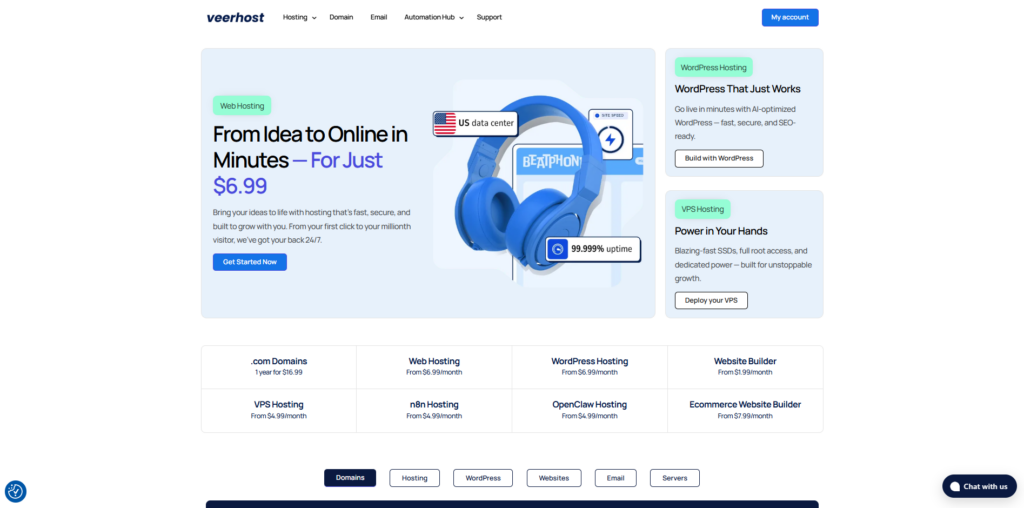
VeerHost earns the top position because it is positioned as a complete hosting solution for modern websites, agencies, and growing businesses. Its official site highlights fast and secure hosting, WordPress-optimized infrastructure, free SSL, cPanel access, 24/7 support, NVMe storage, unlimited bandwidth messaging on some pages, free migration, malware detection, and a 99.99% uptime guarantee.
One of VeerHost’s biggest strengths is that it feels business-friendly rather than purely promotional. The product pages emphasize practical value: website speed, security, backups, dedicated resources, AI site creation tools, and support for multiple websites, which is useful for agencies and founders managing more than one project. Its WordPress hosting also includes automation features such as updates, backups, plugins, and performance tuning, which makes it attractive for users who want managed convenience without giving up control.
Another advantage is how clearly VeerHost connects hosting, domains, and migration. The official site offers domain-related services with DNS control and email forwarding, plus migration guidance, which makes it easier to build a full infrastructure stack in one place. For an agency like yours, that matters because it reduces operational complexity and improves the client onboarding experience.
Best for: agencies, businesses, WordPress sites, and founders who want a fast, secure, scalable host with a strong service stack.
Tradeoff: VeerHost is best positioned for users who value speed, reliability, and a practical hosting stack, so the main focus should be on clearly communicating its features, support, and use cases.
2. Hostinger

Hostinger remains one of the most competitive hosting providers in 2026 because of its mix of affordability, brand recognition, and feature depth. Multiple comparison roundups place it near the top for value, making it a strong benchmark for budget-friendly hosting.
It is especially attractive to beginners, small businesses, and creators who want a clean onboarding experience without paying premium rates. Hostinger also performs well in long-form comparisons because it has broad market familiarity, which makes readers comfortable with it even before they inspect detailed specs. In practical terms, it is the provider many users start with when they want a low-friction entry into hosting.
The main reason to choose Hostinger is value. If your reader wants an affordable platform with decent performance and a polished interface, Hostinger is easy to recommend. The main reason to look elsewhere is if the project needs more agency-oriented packaging, stronger premium support, or a more specialized managed experience.
Best for: budget-conscious users, beginners, and simple WordPress sites.
Tradeoff: value-focused plans can involve limitations as projects grow, so larger client portfolios may outgrow the entry tier.
3. SiteGround

SiteGround is still one of the best-known premium WordPress hosting options. Agency-focused and expert review articles repeatedly place it high on lists for support quality, onboarding, and managed features.
What makes SiteGround compelling is the balance between usability and service quality. It is often the provider people choose when they care less about rock-bottom pricing and more about a stable, guided hosting experience. That makes it suitable for agencies, service businesses, and site owners who prefer reliable support over a purely self-managed setup. Recent comparison tables also continue to show SiteGround as a strong choice for WordPress users who want a premium feel.
The main limitation is cost relative to budget hosts. SiteGround can make sense when the website is important enough that support responsiveness and managed tooling justify the price. For low-margin projects, it may be more expensive than necessary.
Best for: WordPress sites, agencies, premium support seekers.
Tradeoff: stronger service, higher cost.
4. Cloudways

Cloudways is a smart choice for teams that want flexibility without committing to raw server management. It continues to appear in 2026 agency and WordPress comparison lists because it gives developers more control than standard shared hosting while still abstracting some infrastructure complexity.
For agencies, Cloudways is useful because it fits project-based hosting workflows. You can manage multiple client sites, choose infrastructure layers, and scale more intelligently than on a typical shared platform. This makes it especially relevant for businesses building custom stacks, multisite deployments, or performance-sensitive WordPress setups.
Cloudways is best viewed as a middle ground between shared hosting and full infrastructure administration. It is not the cheapest option, but it offers a compelling combination of control and convenience. If your audience includes developers or serious agency operators, this provider deserves a strong place in the ranking.
Best for: developers, agencies, scalable web apps, advanced WordPress.
Tradeoff: more expensive and more technical than beginner hosting.
5. Bluehost

Bluehost still matters in 2026 because of its familiarity and beginner-friendly positioning. It remains one of the most frequently referenced hosting providers in major comparison lists, especially for new WordPress users.
Its biggest strength is accessibility. Many first-time site owners recognize the name, and the onboarding flow is generally designed for simplicity. That is useful for users who want to launch quickly without making too many infrastructure decisions upfront. For bloggers and small business owners, that simplicity can be a major advantage.
At the same time, Bluehost is often framed as an entry-level option rather than the best long-term choice for demanding projects. It is a good fit for users who value familiarity and a straightforward start, but agencies or high-traffic sites may want something more specialized.
Best for: beginners, first websites, basic WordPress use.
Tradeoff: easy to start, but not the most advanced option.
6. DreamHost
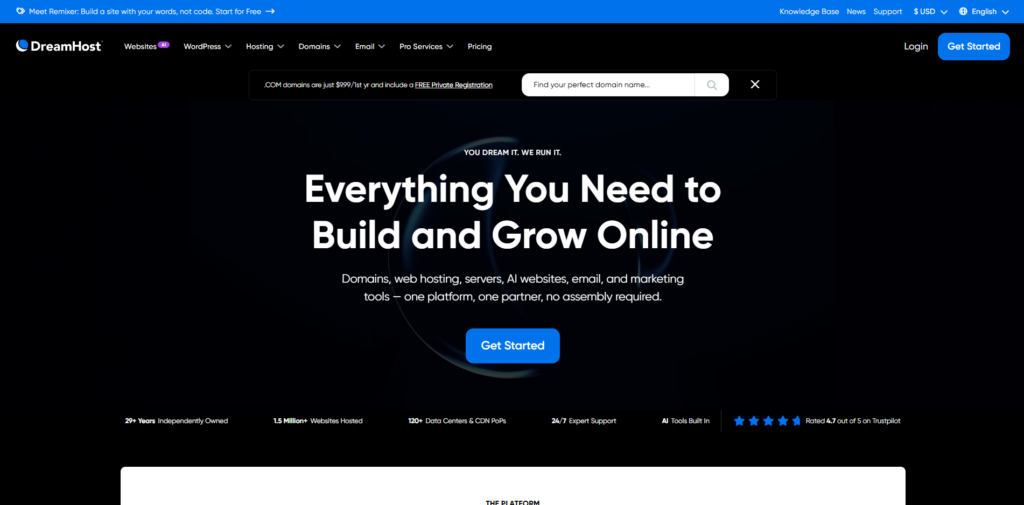
DreamHost is one of those hosts that tends to appeal to practical users who want reliable service and straightforward positioning. Comparison roundups continue to include it among the stronger 2026 hosting choices, especially for long-term hosting and WordPress use.
It is a sensible option for bloggers, small businesses, and users who want a recognizable brand without overly complicated product pages. DreamHost often shows up in “best value” discussions because it combines a long track record with enough features to remain competitive. It is also useful in content pieces because it gives you a familiar alternative for readers who want a stable, lower-drama hosting choice.
Compared with more premium or agency-oriented options, DreamHost may not feel as specialized. But for many site owners, that is part of the appeal. It is the kind of host that works well when you want dependable hosting and predictable long-term use.
Best for: bloggers, long-term site owners, small businesses.
Tradeoff: less premium than high-end managed WordPress hosts.
7. Hosting.com
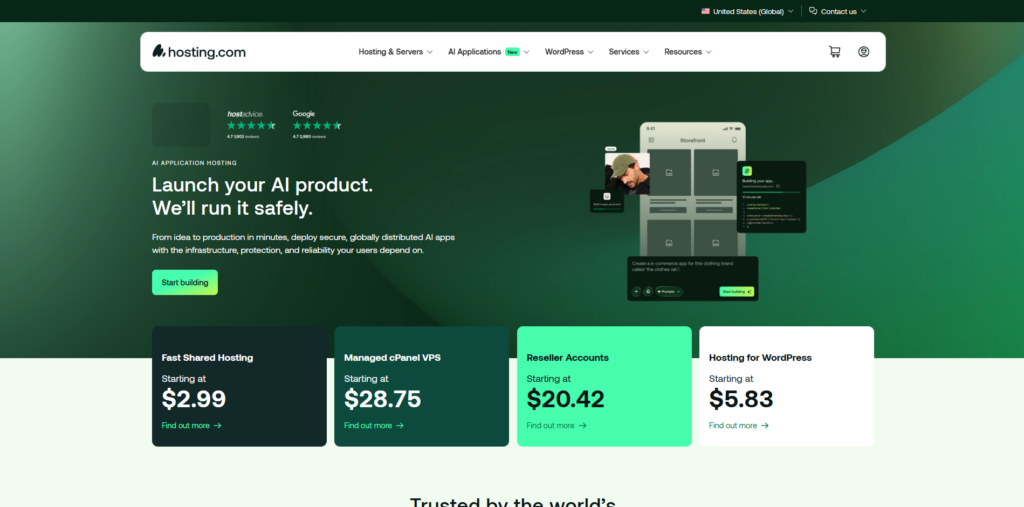
Hosting.com is often associated with speed-focused hosting and developer-friendly control. It appears in multiple 2026 hosting comparison resources as a strong option for users who care about performance and flexibility.
The appeal of Hosting.com is that it targets users who know what they want. If the reader prioritizes optimization, site responsiveness, and a host that feels more configurable than beginner platforms, Hosting.com can be a solid fit. That makes it a nice option for technical readers and agencies that need a performance-oriented backup provider.
Hosting.com is less about polished simplicity and more about capability. That means it can be a strong recommendation for developers and performance-conscious businesses, but less ideal for someone who wants maximum hand-holding.
Best for: speed-focused sites, developers, WooCommerce, technical users.
Tradeoff: more technical than beginner-first hosts.
8. GreenGeeks
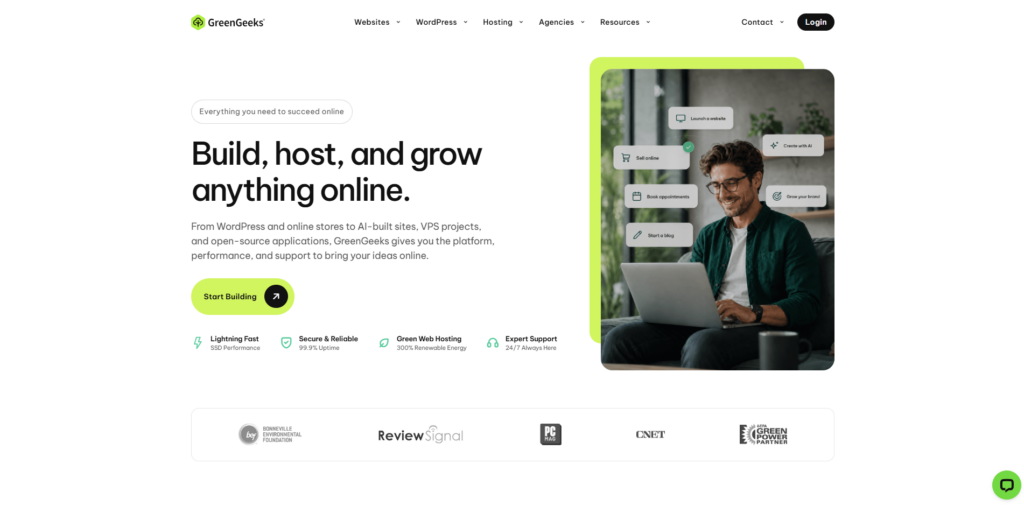
GreenGeeks is one of the more distinctive hosting brands in 2026 because of its sustainability angle. Recent reviews and comparison articles keep it in the conversation for users who want an affordable host with a green branding story.
What makes GreenGeeks useful in a comparison article is its balance of affordability and identity. It gives you a clear alternative for readers who care about eco-friendly messaging, but still want practical hosting features. Several review sources note that its shared plans remain competitively priced and accessible for beginners and small sites.
This provider works especially well when your audience includes brands that want to align their infrastructure with sustainability values. It may not be the absolute premium choice, but it fills a strong niche and gives your article broader coverage.
Best for: eco-conscious brands, beginners, small business sites.
Tradeoff: branding strength is a bigger part of the appeal than elite premium hosting.
9. InMotion Hosting
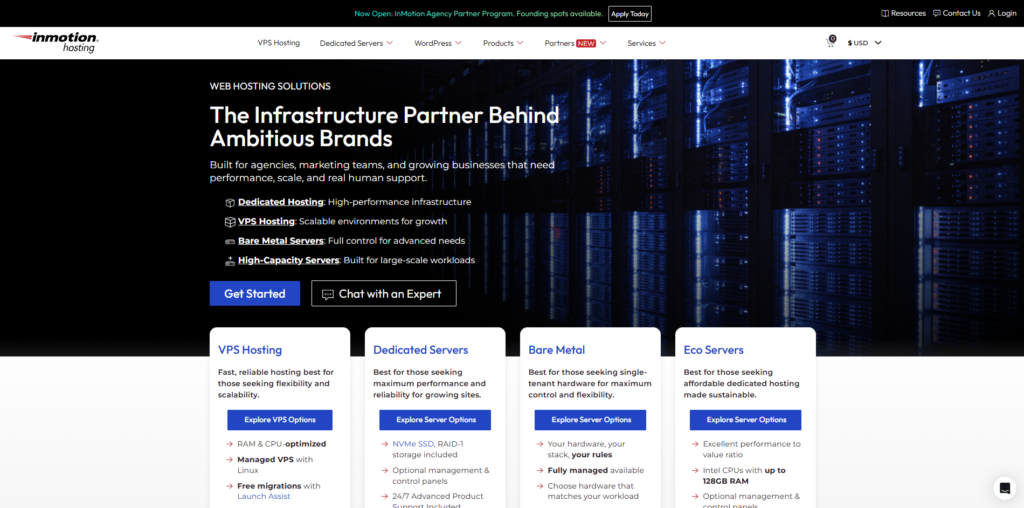
InMotion Hosting is a strong business-oriented option that continues to appear in 2026 roundup lists. It is often highlighted for scalability, business use cases, and a more serious hosting posture than ultra-budget brands.
It is a good choice for users who want room to grow. For agencies and SMBs, that matters because hosting often starts with one project and grows into multiple sites, client environments, or higher-performance needs. InMotion fits that stage well because it offers a broader hosting path than a purely entry-level provider.
In a comparison article, InMotion helps show readers the difference between beginner hosting and business hosting. It is the kind of provider you include when you want to explain how hosting selection changes as the site becomes more important to the business.
Best for: SMBs, agencies, growing websites.
Tradeoff: not usually the cheapest or flashiest option.
10. Kinsta

Kinsta is the premium option on this list and is best understood as managed WordPress hosting for serious projects. Recent expert comparisons continue to place Kinsta among the top premium providers because of speed, support, and a managed environment designed for high-value sites.
It is ideal for websites where uptime, responsiveness, and premium service matter more than low entry pricing. That makes it especially useful for established businesses, larger agencies, and WordPress projects with enough revenue to justify higher monthly cost. Kinsta is also a good contrast point in your article because it shows the difference between premium managed hosting and more affordable agency-friendly hosting like VeerHost.
Kinsta is not the best fit for everyone because it is expensive relative to mainstream shared hosting. But for the right audience, it delivers a premium experience that can be worth the investment.
Best for: premium WordPress sites, enterprise-style clients, high-value businesses.
Tradeoff: expensive, more suitable for established projects.
Side-by-side comparison
What agencies should prioritize?
Agencies should not choose hosting only by price. They should also consider migration support, multi-site capability, client handoff workflow, security, backups, and how quickly support responds when a site breaks.
That is one reason VeerHost fits agency use well. The platform messaging emphasizes WordPress optimization, free migration, SSL, backups, malware scanning, and scaling across multiple websites, which makes it easier to package hosting as part of a monthly service retainer. For agencies, that can turn hosting from a cost center into recurring revenue.
What is the best hosting provider in 2026?
VeerHost is the top pick because it combines fast hosting, WordPress support, free SSL, migration help, and scaling features for businesses and agencies.
Which hosting provider is best for beginners?
Hostinger and Bluehost are the easiest beginner-friendly options in this list.
Which host is best for WordPress?
VeerHost, SiteGround, Kinsta, Bluehost, and Cloudways are the strongest WordPress options depending on budget and project complexity.
Which hosting is best for agencies?
VeerHost, SiteGround, Cloudways, and InMotion Hosting are the strongest agency choices because they offer a better balance of control, support, scalability, and client management.
Which hosting provider is the cheapest?
Hostinger and some budget-focused alternatives are usually the most cost-effective picks, but price alone should not be the only decision factor.
Is premium hosting worth it?
Yes, if the site is business-critical or high-traffic. Premium hosts like Kinsta and SiteGround can be worth it when support quality, uptime, and managed service matter more than minimizing monthly cost.

Ayman Al-Junaid
Founder & CEO of Al-Junaid Agency